In 2024, the activities we delivered increased by 27%, with a 22% rise in the number of participants and a 43% rise in the number of lecturing experts. We also saw a 4% increase in learning days, reflecting continued interest of our beneficiaries in our program.
Learning and Knowledge Sharing Program Highlights in 2024
131
166
9
9
2,738
3,352
5,838
6,073
242
346
2024
2023

LEARNING & KNOWLEDGE SHARING ACTIVITIES

KNOWLEDGE PRODUCTS

PARTICIPANTS

LEARNING
DAYS

LECTURING EXPERTS
Public Financial Management
In this thematic area, the target audience remained the coordinators of the Reform Agendas (RA) in the Western Balkans, the coordinators of the Economic Reform Programmes (ERP) in the Western Balkans and Türkiye, tax officials, public sector accountants and auditors, and other key public finance officials.
Supporting the ERP and RA Teams for Improved Integration of Structural Reforms in the Fiscal Frameworks
We continued our ERP collaboration with finance and line ministries in the Western Balkans and Türkiye, supporting and broadening our scope of work to the newly introduced reform agendas under the European Union’s Reform and Growth Facility for the Western Balkans. Our expertise centered on costing and budgeting reforms, monitoring their implementation and assessing their economic impacts, and strengthening institutional coordination and knowledge management. A highlight event in 2024 was the regional thematic workshop on labor market reforms. To further support regional reform efforts, we developed essential knowledge materials to help with reporting on RA implementation, costing and budgeting reforms, and understanding the requirements and operational considerations of the Reform and Growth Facility.
DEVELOPING EFFICIENT AND RESILIENT TAX INSTITUTIONS
For tax officials, we prioritized continuous professional development, focusing on base erosion and profit shifting, human resources management in tax administrations, green taxation, and digitalization of business processes. Study visits and training of trainers on learning methodologies reinforced knowledge management as a key driver of institutional resilience. We published a comprehensive publication that explored taxation’s role in financing the green transition, with trends and cases from our region.
EMPOWERING ACCOUNTING AND AUDITING PROFESSIONALS TO STRENGTHEN THE ACCOUNTABILITY AND GOVERNANCE OF PUBLIC INSTITUTIONS
Our activities for public sector auditors and accountants emphasized continuous professional development and knowledge sharing. To expand peer learning and regional expertise, we engaged with the network of tutors and experts in accounting and auditing and supported the regional network of supreme audit institutions. On-the-job training also helped accountants strengthen their competencies, regulatory knowledge, and problem-solving skills.
We concluded the three-year Efficient Public Sector Asset Management (EPSAM) project, emphasizing policies, strategies, and data registries that are essential for managing public sector assets as well as their link to public sector accounting reforms.
We concluded the three-year Efficient Public Sector Asset Management (EPSAM) project, emphasizing policies, strategies, and data registries that are essential for managing public sector assets as well as their link to public sector accounting reforms.
We supported Albania in training 22 and certifying 16 internal auditors through the Training of Internal Auditors in the Public Sector (TIAPS). To ensure sustainability, we prepared eight local tutors and two Ministry of Finance coordinators, who will continue delivering high-quality audit training. A key component of the program was on-the-job training. Dedicated CEF mentors collaborated with internal auditors in developing audit plans and preparing reports on their quality assurance and improvement program.
We also concluded the Public Sector Accounting Training (PACT) in North Macedonia, focusing on its localization and the newly established Public Finance Academy, which is taking over the certification training for public sector accountants.
Managerial Accountability for Performance Budgeting, a blended learning event, brought together finance ministry budget officials and central harmonization unit representatives to enhance cooperation. In Bosnia and Herzegovina, a learning event highlighted the country’s success in PIFC digitalization, fostering knowledge exchange and engagement.
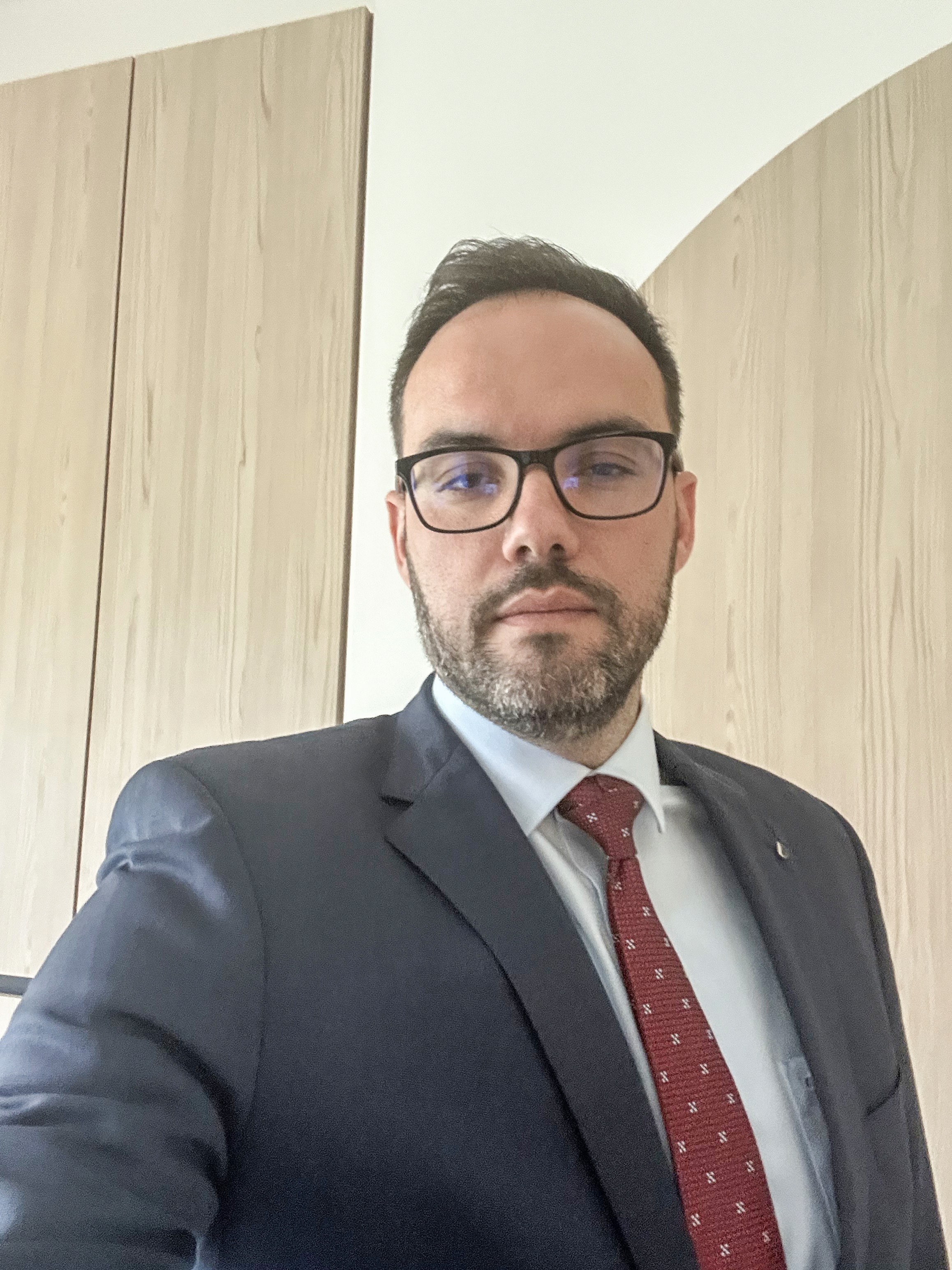

The CEF has helped me view everyday challenges from a completely different perspective, which has positively impacted my work. The experiences shared by colleagues from neighboring countries are particularly important, as we share similar legal, economic, and political systems.
Nikola Aleksić
Ministry of Spatial Planning, Construction and Ecology,
Republic of Srpska, Bosnia and Herzegovina
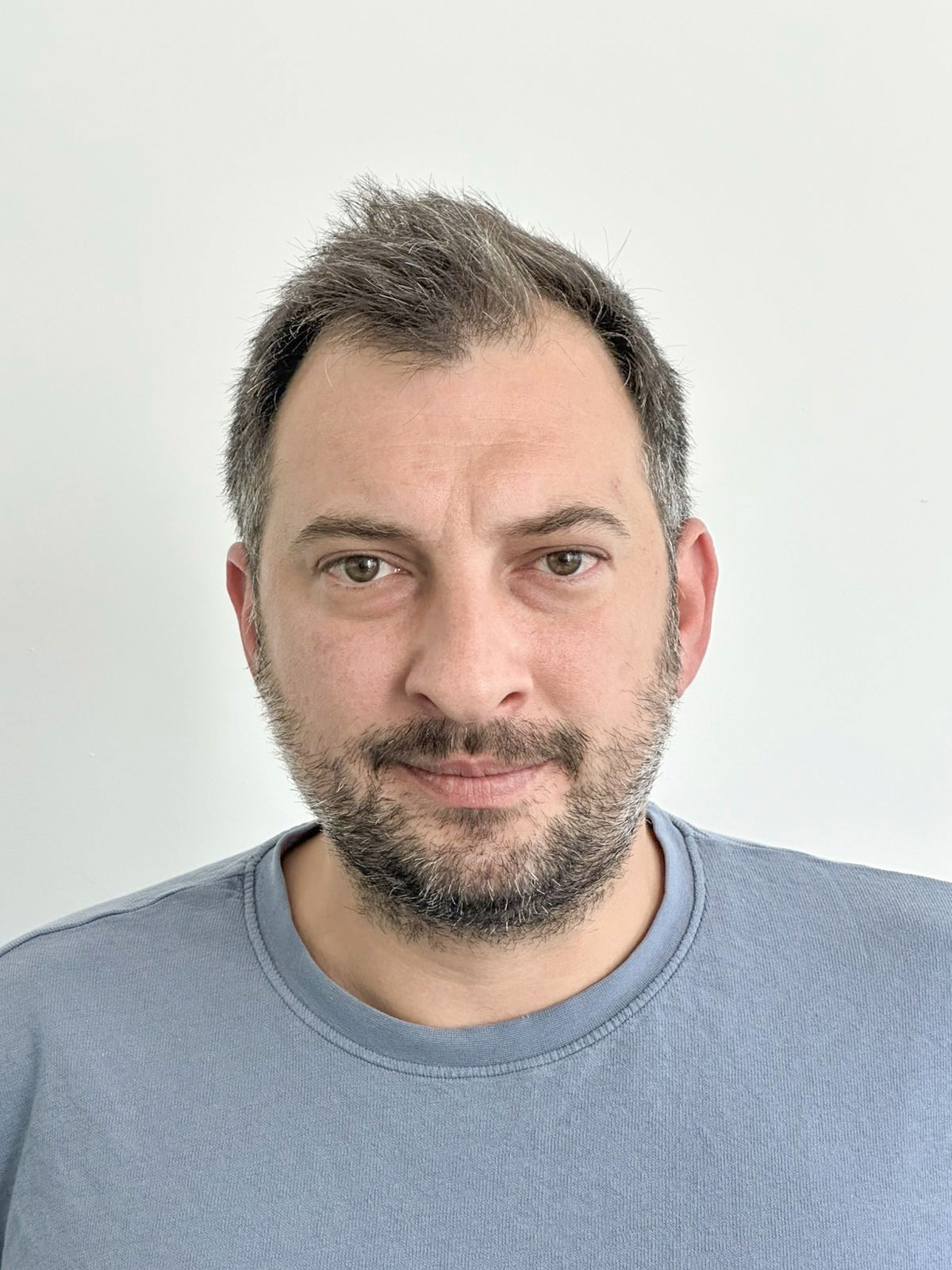
What you learn and work on at the CEF is directly applicable to your daily work. Since participants come from different countries but face similar challenges, it is easy to find solutions to common problems. The most valuable takeaway was the feedback from participants, who shared recent experiences and activities from their own countries, particularly in the waste management sector. This kind of knowledge exchange is crucial, as all countries in the region are on the same path toward EU integration, sharing similar standards and development levels.
Radovan Sekulić
Ministry of Ecology,
Spatial Planning and Urbanism, Montenegro
2025
235
PARTICIPANTS
26
learning activities

List of Learning and Knowledge Sharing Activities in 2024
In 2024, the activities we delivered increased by 27%, with a 22% rise in the number of participants and a 43% rise in the number of lecturing experts. We also saw a 4% increase in learning days, reflecting continued interest of our beneficiaries in our program.
List of activities
GOVERNANCE AND CULTURE
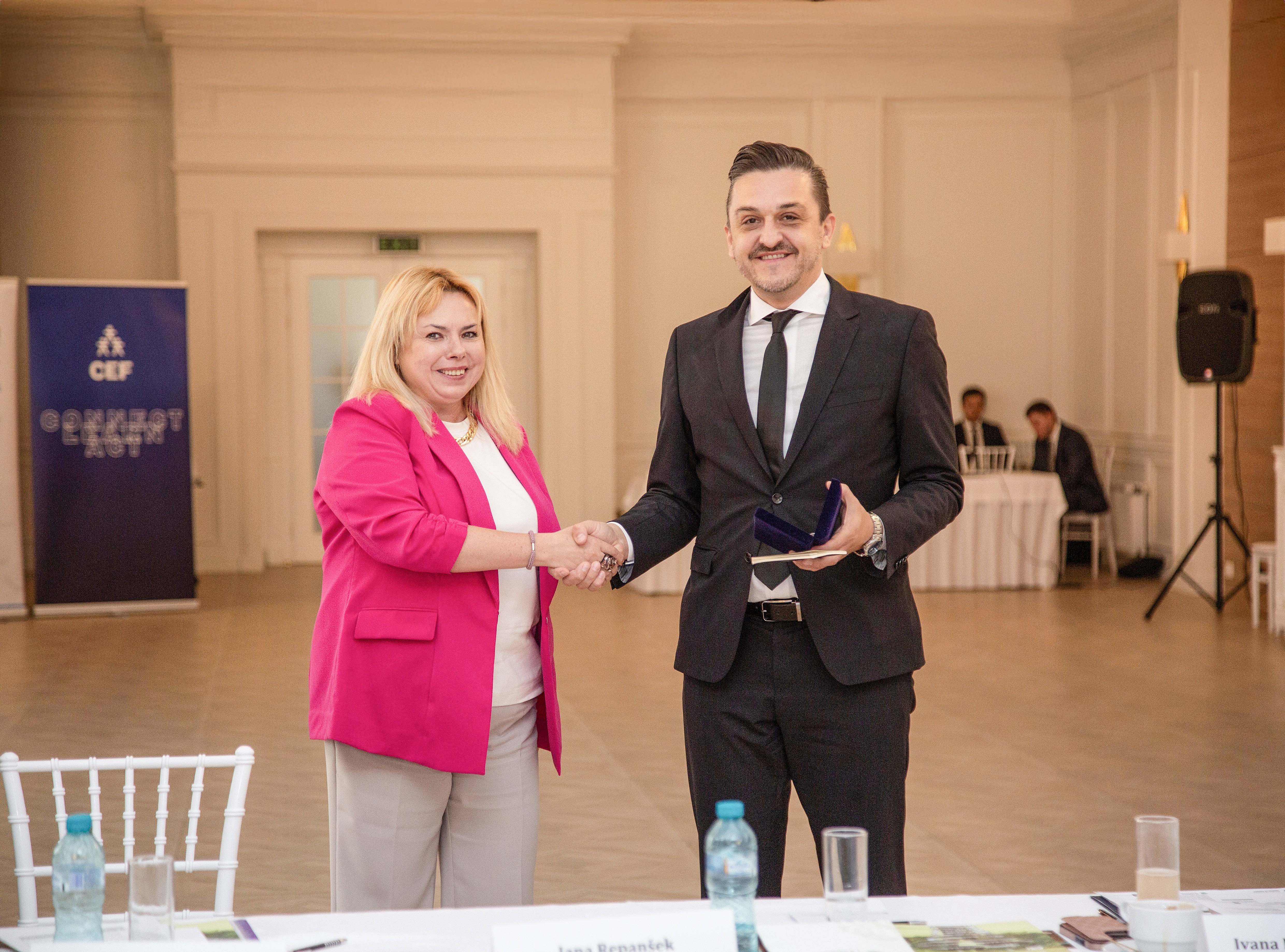
The CEF’s governance and culture are built on collaboration among the Governing Board, Advisory Board, Coordinators, and the Secretariat. This synergy drives our joint strategy while fostering a culture of learning, coaching, and open dialogue that strengthens leadership and decision-making.